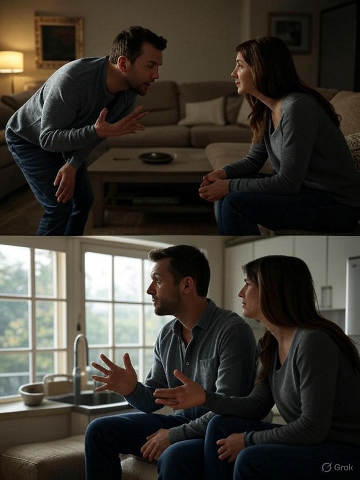
Why is my husband yelling at me? If you’re asking this question, you’re not alone. Many women around the world face similar situations. Feeling hurt, confused, and afraid is normal when someone you love raises their voice. This blog post will help you understand the possible reasons behind your husband’s yelling, what you can do about it, and when to seek help.
We’ll also look at real-life examples, expert advice, practical solutions, and more. Our goal is to help you feel safe, heard, and supported.
Understanding Why Your Husband Is Yelling
At the start of this journey, the focus keyword “why is my husband yelling at me“ sets the tone. It shows you’re seeking answers and healing. Yelling in a marriage can be painful and confusing. But it often signals deeper issues.
Sometimes it’s about stress. Other times, it may be about how he learned to express feelings growing up. Either way, understanding the cause is key to finding a solution.
Common Reasons Husbands Yell
Emotional Stress
Work, money problems, or family pressure can make anyone feel overwhelmed. Many men aren’t taught healthy ways to handle stress. So they may yell instead.
Poor Communication Skills
He might not know how to express feelings like sadness, fear, or frustration. Instead of using words calmly, he shouts.
Childhood Experiences
If he grew up in a home where yelling was normal, he might repeat that behavior without even realizing it.
Feeling Unheard or Misunderstood
Yelling can be a way to try and feel heard. It doesn’t excuse the behavior—but it can explain it.
Mental Health Issues
Depression, anxiety, PTSD, or anger management issues can all cause a person to lash out verbally.
According to Mental Health America, untreated mental health issues are a leading cause of emotional outbursts in relationships.
Real-Life Example: Emma’s Story
Emma, 33, from Austin, Texas, shared her story online. Her husband started yelling after losing his job. At first, she thought it was just stress. But over time, the yelling got worse.
She finally convinced him to talk to a therapist. It turned out he had untreated anxiety. With support and counseling, things began to change.
Emma says,
“Once we understood the cause, we started working together instead of against each other.”
The Impact of Yelling on Mental Health
Yelling isn’t just loud—it hurts inside. Constant yelling can lead to:
- Anxiety
- Depression
- Low self-esteem
- Sleep problems
- Fear or emotional withdrawal
Especially if children are involved, yelling can affect their development and emotional health, too.
How to Respond When Your Husband Yells
Step 1: Stay Calm
Take a deep breath. Try not to yell back. Reacting in anger adds fuel to the fire.
Step 2: Set Boundaries
Say something like, “I want to hear you, but I can’t do that when you yell.”
Step 3: Walk Away If Needed
If you feel unsafe, leave the room. It’s okay to protect your peace.
What Not to Do During a Heated Moment
- Don’t scream back
- Don’t blame yourself
- Don’t stay in the room if you feel threatened
- Don’t ignore the issue entirely
Benefits of Calm Communication
Speaking calmly leads to better understanding. Over time, couples who replace yelling with kind words:
- Build trust
- Solve problems faster
- Feel closer emotionally
- Reduce stress at home
Dr. Lisa Gomez’s Advice on Handling Verbal Conflict
Dr. Lisa Gomez, a relationship therapist in New York, says:
“Yelling is a red flag—but it’s also a call for help. Many men don’t know how to manage big emotions. Therapy can help both partners build healthy ways to talk.”
She recommends starting with couples counseling or individual therapy to build communication skills.
When Yelling Becomes Emotional Abuse
If the yelling is:
- Constant
- Paired with insults
- Used to control you
- Makes you feel afraid or unsafe
It might be emotional abuse. Abuse isn’t always physical. Verbal attacks can cause deep wounds.
National Domestic Violence Hotline: Call 800-799-7233 or visit thehotline.org
Step-by-Step Guide to Restore Peace
| Step | Action | Why It Helps |
|---|
| 1 | Stay calm | Keeps the situation from getting worse |
| 2 | Set boundaries | Shows you respect yourself |
| 3 | Talk later | Helps both sides cool down |
| 4 | Seek therapy | Builds long-term tools for peace |
| 5 | Learn together | Growth brings couples closer |
Yelling vs. Constructive Communication (Comparison Chart)
| Yelling | Constructive Talk |
|---|
| Loud and scary | Calm and respectful |
| Blames the other | Shares feelings clearly |
| Hurts feelings | Solves problems |
| Builds fear | Builds trust |
| Makes kids anxious | Sets a good example |
FAQs about Why Is My Husband Yelling at Me?
Why is my husband yelling at me every day?
Daily yelling can mean deep stress or emotional issues. It’s time to talk to him and possibly seek professional help.
Is yelling normal in marriage?
Yelling can happen, but frequent yelling is not healthy. It’s better to learn peaceful ways to talk.
Can therapy help a yelling husband?
Yes. Therapy helps identify the root cause and teaches healthy communication skills.
What if my husband refuses therapy?
Start therapy for yourself. A healthy you can inspire change and help you set firm, loving boundaries.
Is yelling considered abuse?
Yelling can become emotional abuse if it happens often or includes insults and control.
Conclusion
Asking “why is my husband yelling at me” is the first brave step. You deserve peace and respect. Whether the yelling comes from stress, poor habits, or deeper problems, it can be worked on—especially when both partners want healing.
If you ever feel unsafe, reach out for help. You are not alone. Choose peace, protect your heart, and never feel ashamed for asking questions or needing support.
For more support, visit:
- BetterHelp – Online counseling
- TheHotline.org – Support for abuse
- Psychology Today’s Therapist Finder