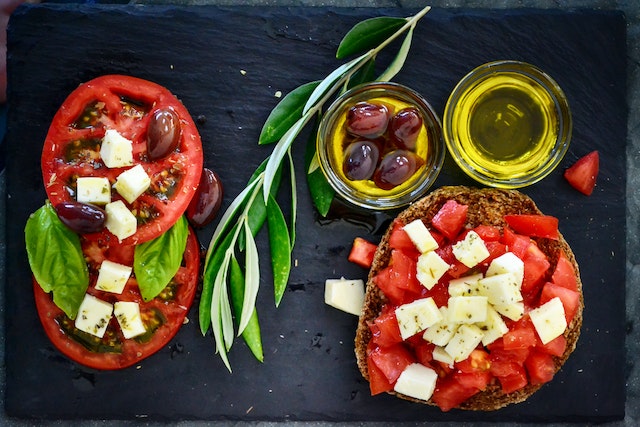
The Mediterranean Diet is hailed as one of the healthiest eating plans in the world. It’s based on the traditional diet of countries bordering the Mediterranean Sea, emphasizing fruits, vegetables, whole grains, legumes, and healthy fats.
But can you follow these diet on a budget? The answer is yes! Here’s a list of 15 wallet-friendly Mediterranean Diet foods and a handy diet chart table to help you plan your meals.
1. Whole Grains
Whole grains like brown rice, whole wheat pasta, and whole grain bread are affordable and provide dietary fibre, vitamins, and minerals.
2. Legumes
Beans, lentils, and chickpeas are protein-rich and versatile. They’re perfect for soups, salads, and more.
3. Canned Tomatoes
Packed with vitamins and antioxidants, canned tomatoes can be a cost-effective way to add flavor to sauces and stews.
4. Frozen Vegetables
While fresh is always best, frozen veggies are nutrient-rich and often cheaper.
5. Olive Oil
Though a bit pricier, a little olive oil goes a long way. Use it for cooking or salad dressings.
6. Canned Fish
Tuna, sardines, and mackerel are budget-friendly sources of Omega-3 fatty acids.
7. Eggs
An inexpensive source of protein, eggs are versatile and fit well within the Mediterranean Diet.
8. Greek Yogurt
High in protein and calcium, Greek yoghurt is a cost-effective dairy option.
9. Seasonal Fruits
Buying fruits in season can save you money while adding natural sweetness to your diet.
10. Nuts and Seeds
Buy in bulk to save on healthy fats like almonds, walnuts, and sunflower seeds.
11. Herbs and Spices
Using herbs and spices can add flavour without added cost. Grow your own for the biggest savings!
12. Chicken and Turkey
Lean poultry is an affordable way to include meat in your diet.
13. Oats
Oats are a cheap and nutritious breakfast option.
14. Water
Stay hydrated with water rather than sugary drinks.
15. Homegrown Vegetables
Grow your own veggies to enjoy fresh, budget-friendly produce.
Mediterranean Diet Chart Table
| Meal Time | Food | Example |
|---|---|---|
| Breakfast | Whole Grains, Fruits | Whole grain toast with avocado and berries |
| Snack | Nuts, Greek Yogurt | Almonds and Greek yogurt |
| Lunch | Legumes, Vegetables, Grains | Lentil salad with veggies and brown rice |
| Snack | Seasonal Fruits, Nuts | Apple slices with walnuts |
| Dinner | Poultry, Veggies, Whole Grains | Grilled chicken with roasted vegetables, quinoa |
| Dessert | Fruit, Dark Chocolate | Fresh fruit salad with a piece of dark chocolate |
This diet doesn’t have to be expensive. By focusing on whole, unprocessed foods and seasonal produce, you can enjoy this heart-healthy eating plan without breaking the bank. Collaborate with a registered dietitian for personalized meal planning, and explore new recipes to keep your meals interesting and in line with a practical guide to the Mediterranean diet.
Example of 15 Best Mediterranean Diet Foods
Here are examples of the 15 Best Mediterranean Diet Foods:
- Whole Grains: Quinoa, brown rice, whole wheat pasta, and whole grain bread offer dietary fibre and various essential nutrients.
- Legumes: Chickpeas, lentils, and beans are excellent sources of protein and fibre, perfect for salads, stews, and side dishes.
- Canned Tomatoes: Rich in antioxidants, especially lycopene, canned tomatoes add great flavour to pasta, soups, and sauces.
- Frozen Vegetables: Frozen spinach, broccoli, and bell peppers are nutrient-dense, versatile, and often cheaper than their fresh counterparts.
- Olive Oil: A cornerstone of this diet, olive oil is a heart-healthy fat ideal for cooking and salad dressings.
- Canned Fish: Canned tuna or sardines are cost-effective sources of omega-3 fatty acids and protein.
- Eggs: A cheap yet high-quality protein source, eggs can be prepared in numerous ways to add variety to your meals.
- Greek Yogurt: This creamy dairy product is rich in protein and calcium and can be enjoyed at breakfast or as a snack with fruit and nuts.
- Seasonal Fruits: Berries, peaches, oranges, and grapes can be enjoyed fresh or used in a variety of dishes for added sweetness and nutrients.
- Nuts and Seeds: Almonds, walnuts, flaxseeds, and chia seeds provide healthy fats, fibre, and protein.
- Herbs and Spices: Basil, oregano, rosemary, turmeric, and garlic add flavour without extra calories and have their own health benefits.
- Chicken and Turkey: These lean meats are high in protein and versatile enough for a range of dishes.
- Oats: A great whole grain for breakfast, oats are filling, versatile, and packed with fibre.
- Water: The primary beverage in this diet, keeping well hydrated is crucial to overall health.
- Homegrown Vegetables: If you have the capacity, growing your own tomatoes, lettuce, or zucchini can be cost-effective and rewarding.
Remember, this diet isn’t just about the food you eat, but how you eat. Savouring meals, eating with others, and maintaining an active lifestyle are all part of this take a balanced approach to healthy living.
.

Frequently Asked Questions About Mediterranean Diet
- What is the Mediterranean Diet?
The Mediterranean Diet is a heart-healthy eating plan inspired by the traditional dietary patterns of countries bordering the Mediterranean Sea. It emphasizes whole, unprocessed foods, including fruits, vegetables, whole grains, lean proteins, and healthy fats.
- Is the Mediterranean Diet good for weight loss?
Yes, the Mediterranean Diet can support weight loss. Its focus on nutrient-dense foods and portion control helps promote a healthy weight when paired with regular exercise.
- Can I eat meat on the Mediterranean Diet?
Yes, but in moderation. The Mediterranean Diet emphasizes fish and poultry over red meats. Lean cuts of meat can be included occasionally.
- What are the main benefits of the Mediterranean Diet?
The Mediterranean Diet is linked to improved heart health, weight management, better blood sugar control, and may reduce the risk of certain chronic diseases.
- Is dairy allowed on the Mediterranean Diet?
Yes, dairy is allowed, but preferably low-fat or fat-free options. Greek yoghurt and cheese like feta are popular choices.
- Can I follow the Mediterranean Diet if I’m a vegetarian or vegan?
Absolutely! The Mediterranean Diet is rich in plant-based foods, making it a suitable option for vegetarians and vegans. Just be sure to include enough protein from legumes, nuts, and whole grains.
- Is the Mediterranean Diet expensive to follow?
It doesn’t have to be. With strategic planning and buying in-season or in bulk, you can follow the Mediterranean Diet on a budget.
- What types of fat are encouraged in the Mediterranean Diet?
Healthy fats like olive oil, avocados, and nuts are encouraged. These contain monounsaturated and polyunsaturated fats that are beneficial for heart health.
- Are there any risks associated with the Mediterranean Diet?
The Mediterranean Diet is generally considered safe for most people. However, individual needs may vary, so it’s always advisable to consult with a healthcare provider or dietitian.
- What beverages are allowed in the Mediterranean Diet?
Water is the primary beverage, and herbal teas are also encouraged. Moderate consumption of red wine is allowed for those who consume alcohol.
- How do I start the Mediterranean Diet?
Start by focusing on whole, unprocessed foods, and incorporate more fruits, vegetables, whole grains, and lean proteins into your meals. A registered dietitian can provide personalized guidance.
- Can children and the elderly follow the Mediterranean Diet?
Yes, the Mediterranean Diet is suitable for all ages. It promotes overall wellness and can be adapted to meet individual nutritional needs.
This Diet is a flexible, nutritious, and flavorful eating plan that caters to various lifestyles and preferences. By understanding its core principles and how it aligns with your personal needs and goals, you can enjoy the benefits of this celebrated diet. If you have specific dietary concerns, it’s always best to consult with a dietitian or healthcare provider.
Mediterranean Diet
The Mediterranean Diet stands out as a beacon of healthful eating that transcends food trends. Rooted in centuries-old traditions, it promotes a balanced and holistic approach to nutrition that emphasizes quality, simplicity, and enjoyment.
Here’s a recap of the highlights of the Mediterranean Diet:
- Diverse and Nutrient-Rich: With a focus on whole grains, fresh fruits and vegetables, lean proteins, healthy fats, and even moderate amounts of red wine, this Diet offers a diverse and nutrient-rich food experience.
- Heart-Healthy: Scientific research consistently supports the cardiovascular benefits of these diets. The combination of healthy fats, fibre, and antioxidants is linked to reduced risks of heart disease.
- Weight Management: By emphasizing portion control and nutrient-dense foods, these Diets can support healthy weight management when complemented with regular physical activity.
- Adaptable and Inclusive: Whether you’re a meat-eater, vegetarian, or vegan, these Diets can be adapted to suit various dietary preferences and needs.
- Budget-Friendly Options: Despite its perceived lavishness, this Diet can be enjoyed on a budget. Strategic shopping and in-season purchases can make it an affordable lifestyle choice.
- Lifestyle Rather than a Diet: More than a mere diet, this Diet embodies a lifestyle. It encourages mindful eating, savoring flavors, and enjoying meals with family and friends.
- A Foundation for Lifelong Health: The principles of this Diet align with a lifelong approach to well-being. From supporting cognitive function to reducing the risk of chronic diseases, it offers a path to enduring health.
Conclusion
In a world filled with complex diets and conflicting nutritional advice, the Mediterranean Diet remains an accessible and evidence-based option that celebrates the joy of eating. It’s not just about what you eat, but how you eat, fostering a positive relationship with food.
For those looking to embark on this culinary journey, consultation with a registered dietitian or nutritionist can provide personalized guidance and support. Embracing these diet means not only nourishing the body but also nurturing the soul, providing a timeless approach to healthy living that resonates with people across the globe.